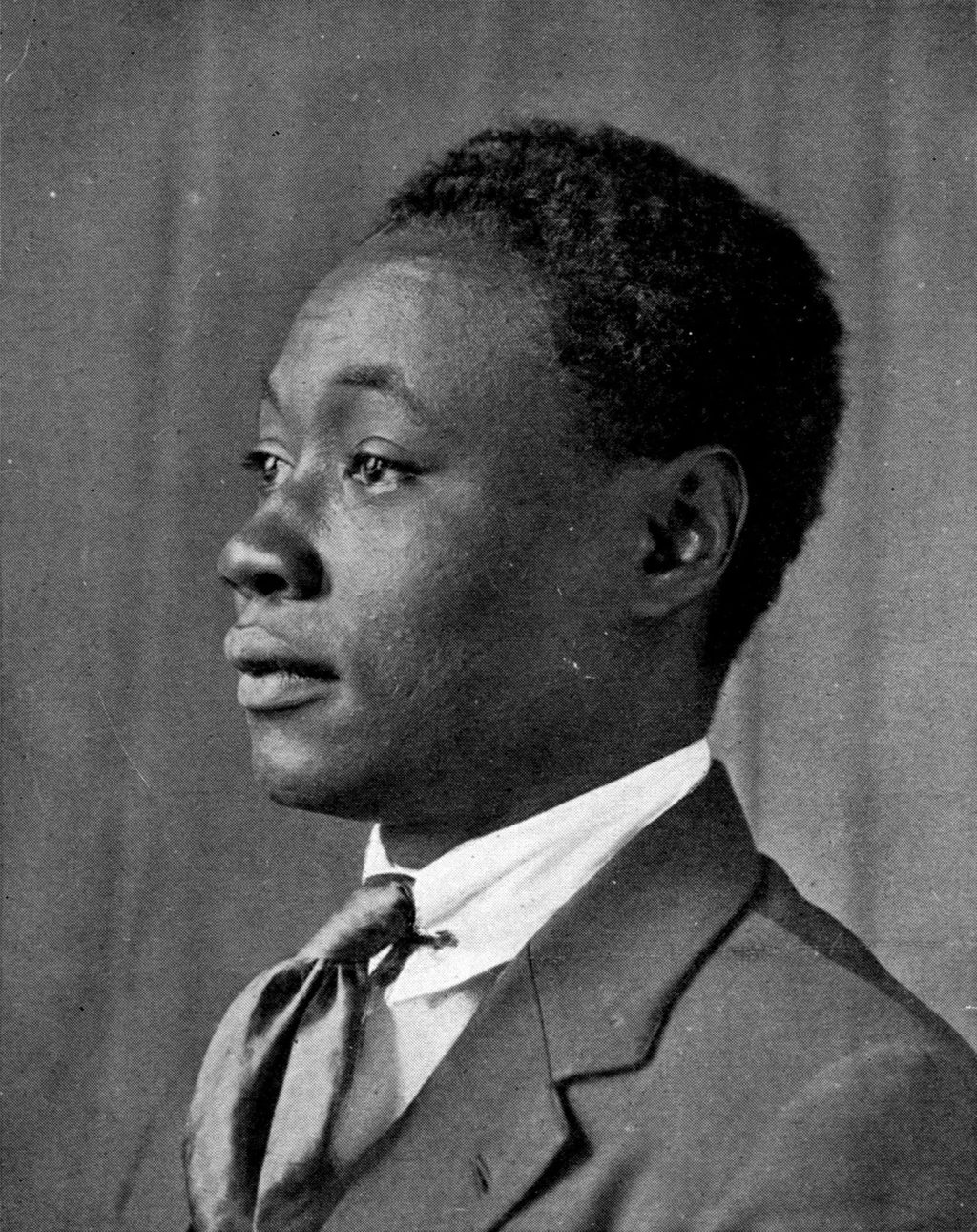
In interpreting Americanness through the eyes of poet Claude McKay, we see his experiences manifested in the forms of the Harlem Renaissance and the reality of racism. The latter was/is a pervasive, violent thorn in side of Black Americans. In this post, we will analyze “America” by Claude McKay through a brief analysis. This poem offers insight into the dual lives of people of color in the United States and a hope for a brighter future.
“America” by Claude McKay Analysis
Inspiration
McKay’s poem was published in 1921, and comes from a variety of inspirations. For example, McKay was a Jamaican immigrant who came to the US in 1912. He wrote through heated times in American history, including the Red Summer and the Red Scare. Consequently, seeing this racism first hand influenced McKay political ideology and predilection for racial themes in verse. McKay was also a bisexual leftist, and felt marginalized throughout his life.
Interpretation
The poem “America” comes naturally from a sore spot in McKay’s soul. It discusses oppression and a rebel lifestyle that stands in contrast to the average, white American experience. McKay writes, “Although she feeds me bread of bitterness, / And sinks into my throat her tiger’s tooth, / Stealing my breath of life, I will confess / I love this cultured hell that tests my youth.” McKay tells us that it is bitter to live in a land he loves that challenges him in all aspects of his life.
America, according to McKay, is “vigor” that “flows like tides into” his blood. The country gives him life and “strength erect against her hate.” What kills him inside also feeds him completely. “Yet, as a rebel fronts a king in state, / I stand within her walls with not a shred / Of terror, malice, not a word of jeer. / Darkly I gaze into the days ahead, And see her might and granite wonders there.”
McKay espouses the hope that hate and violence will end one day because America is capable of that change. He can see it in the darkest spots. One day, it will not reflect the worst outcomes, he believes, but it will shed light upon the greatness that lies in shadow. As McKay writes: “Like priceless treasures sinking in the sand.”
Even so, McKay places a empathetic touch on America’s spirit. Donna Denize and Lousia Newlin write in their article “The Sonnet Tradition of Claude McKay” that McKay “feminizes” North America. Through this poem, and others, he perhaps creates a loving, yet tumultuous, relationship between the speaker and the country.
The authors state: “One can’t help but notice how images keep shifting, as by the means of the sonnet form, the speaker negotiates the tension between conflicting emotions—passions invoked by the great promise of equality and innovation, patent traits of the American Dream” (Denize). Moreover, McKay dreams in this poem that America is capable of moving away from its violent past and inclination toward oppression. The goodness is there, yet it needs to show its face.
Read the full poem here.
Works Cited
Denizé, Donna E. M., and Louisa Newlin. “The Sonnet Tradition and Claude McKay.” The English Journal, vol. 99, no. 1, 2009, pp. 99–105. JSTOR, http://www.jstor.org/stable/40503338. Accessed 1 July 2021.
McKay, Claude. “America by Claude McKay | Poetry Foundation.” Poetry Foundation, 1 July 2021, poetryfoundation.org/poems/44691/america-56d223e1ac025.





Leave a comment