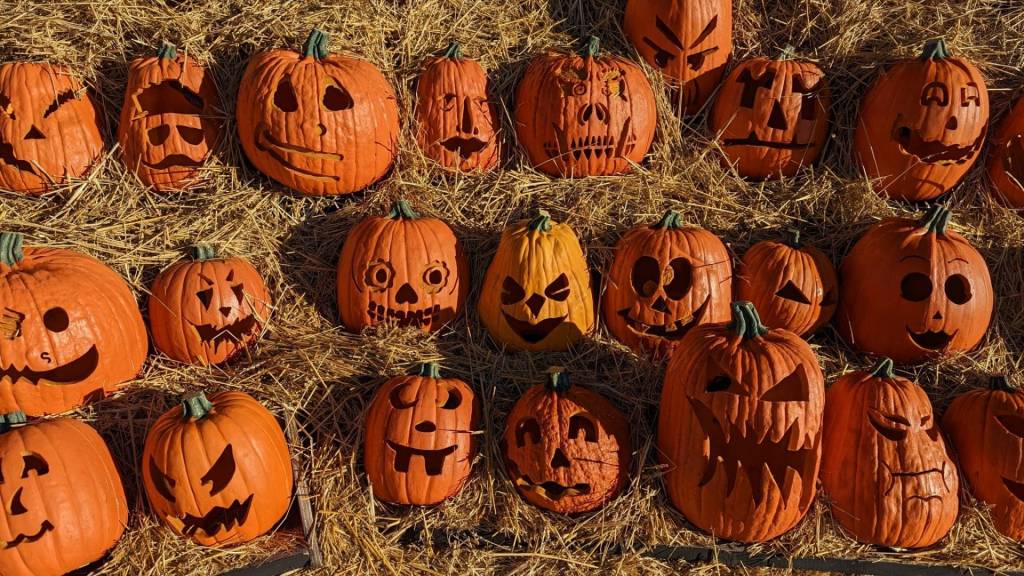
A pumpkin is just a pumpkin. A turnip is just a turnip. Carve a face into them and suddenly you have a jack-o-lantern. While these carved-out, festive fruits are something to behold, they also have a mythic history to them altogether. These stories carry a deeper connotative meaning then just spooky faces to put on your doorstep. In fact, jack-o’-lanterns may be one of the most important objects in the modern Halloween tradition.
What Makes a Jack-o-Lantern a Jack-o-Lantern?
To start, jack-o’-lanterns are literal pumpkin lights. People cut the pumpkin “to resemble a human face.” With that, they become jack-o’-lantern. These contain the popular pumpkin grin and candle. A more botanical definition describes pumpkins as “a large, orangish gill fungus that is poisonous and luminescent.”
A “Jack with the lantern” or “Jack of the lantern” refers to somebody “with a lantern or a night watchman.” This stems from Britain, where watchmen would refer to men they didn’t know by a “common name like Jack.” The term also refers to the aforementioned “Jack with a lantern” or the bog gas known as “ignis fatuus” that “often leads travelers to destruction.” These are a few “stock” definitions that describe what a jack-o’-lantern is, but the lore of jack-o’-lanterns goes much deeper.
The Jack-o-Lantern Folklore
Every jack-o’-lantern comes with the heavy weight of history, specifically Irish folklore. Back in the mid-1800s, children would carve jack-o’-lanterns out of vegetables and place candles inside to create a haunting visage around Halloween . This tradition added a unique touch to the season.
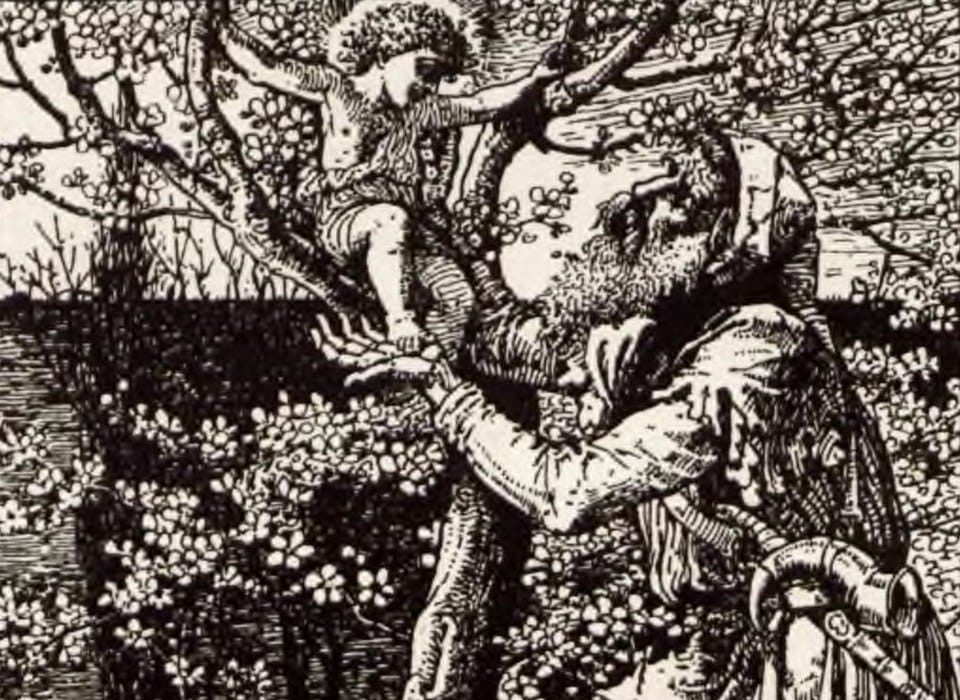
There is also a story about the name “jack-o’-lantern” and its origin in Irish tradition. According to legend, a blacksmith named Stingy Jack and the Devil were having a drink, but Jack didn’t want to pay when their drinking session was over. He convinced the Devil to turn into a coin to pay, and then Jack trapped the Devil near his pocketed cross. Later, Jack again trapped the Devil, this time up a tree, by carving a cross into the bark.
After Jack died, part of his bargain with the Devil was revealed: the Devil could not take Jack’s soul, as per one of their agreements. Additionally, the Lord would not allow Jack into Heaven due to his questionable life on Earth. So, Jack was kept out of both Heaven and Hell, forever wandering the Earth with a solitary coal to guide him through the dark. Jack “put the coal into a carved-out turnip and has been roaming the Earth with it ever since.”
Types of Jack-o’-Lanterns and Modern Usage
Depending on where you live, jack-o’-lanterns were carved from a variety of different fruits and vegetables in the past:
- In Ireland and Scotland, people carved faces into turnips and potatoes.
- In England, people carved jack-o’-lanterns from large beets.
Moreover, in Ireland, “people cut out heads and faces of turnips.” They then “hid them in the hedgerows as a prank during Hallowe’en” according to BBC. This may possibly be a better explanation for the jack-o’-lantern’s genesis. Things changed when immigrants came from overseas to the US, where pumpkins became the next best thing.
Conclusion
Jack-o-lanterns are an important function of the season. They provide an easy decoration and also a chilling image of the connotative, spiritual power of the holiday. They also remind us to stop and reflect on why we celebrate certain aspects of the Halloween. After all, a pumpkin may be just a pumpkin, but after we cut it open–we have symbolically embraced a whole world of folklore and tradition.



Leave a comment