
It is untrue that most romantic poets were all desperate misanthropes who died young and brokenhearted. Nevertheless, the rumor persists because it is decidedly romantic. Where there are writers, there are myths and stories. Poet John Keats has a romantic aura about him to this day. His life is also a bit desperate and brokenhearted. However, he was extraordinarily talented, had friends in poetic circles, and wrote lasting poetry. In John Keats’ poem “This living hand, now warm and capable,” the poet immerses the reader in a shallow pool of romantic/gothic verse.
Who was John Keats?
John Keats, romantic poet, died at 26 years old. While critics panned him in his day, Keats’s creativity and commitment to the lyrical form is lauded. His poems featured, “vivid imagery and great sensuous appeal.” Though he died in his youth, Keats was a prolific author and wrote most of his major works in 1819. Keats’ “This living hand, now warm and capable” is a great example of the poet in execution.
Meanwhile, Keats’ reputation as a romantic writer did not keep him from dabbling in gothic forms. In the eight short lines of this poem, Keats demonstrates his ability at conveying these themes. Also consider that Keats wrote these lines “in a blank space on the manuscript” on which he wrote. These discarded lines are perhaps his most famous.
“This living hand, now warm and capable”
This living hand, now warm and capable
Of earnest grasping, would, if it were cold
And in the icy silence of the tomb,
So haunt thy days and chill thy dreaming nights
That thou would wish thine own heart dry of blood
So in my veins red life might stream again,
And thou be conscience-calmed — see here it is —
I hold it towards you.
Analysis of “This Living Hand …”
The Poem’s Language
In the poem Keats begins with the lines, “This living hand, now warm and capable / Of earnest grasping, would, if it were cold / And in the icy silence of a tomb.” In this first section, Keats is imagining his hand, though alive, cold and dead in the icy silence of a tomb. It is a flight of fancy for the author to imagine this deathly gesture.
He continues: “So haunt thy days and chill thy dreaming nights / That thou would wish thine own heart dry of blood.” In these lines, Keats speaks of his death as haunting the poem’s targeted audience. Keats finishes his poem with, “So in my veins red life might stream again, / And though be conscience-calmed—see here it is—I hold it towards you.” Similarly, the reader would wish for their own death at the prospect of a life without him, perhaps even exchanging their own life for his.
In addition to this, we have to consider word choice. Keats’s laces his languag with darkness. He uses words like “grasping,” “cold,” “icy,” and “tomb” to set a darkened world of love and romance. The reason for this poem’s staying power is due to the sensual nature of these words. That these two ideas, death and love, can contrast so well reflects their intwined nature in our own hearts.
The Poem’s Meaning
While ostensibly written for his love, Fanny Brawne, the poem reaches for a deeper meaning of humanity and mortality. As stated by Dr. Oliver Tearle in “A short analysis of Keats’s ‘This Living Hand,’” the author writes that Keats has romanticized his own death. In this way, his love, “would wish that she had been the one to die instead, so that she might be relieved of her conscience” (Tearle).
Still, it is important to look into the life of John Keats to see what conjured such a poem. Keats’s brother Tom fell ill with tuberculosis in the early 1800s. By 1818, Keats sat bedside with his brother Tom as the latter expired. Additionally, over the next two years, Keats himself succumbed to Tuberculosis. He died in Rome with portraitist Joseph Severn after the poet’s doctor ordered Keats south for the winter.
Conclusion
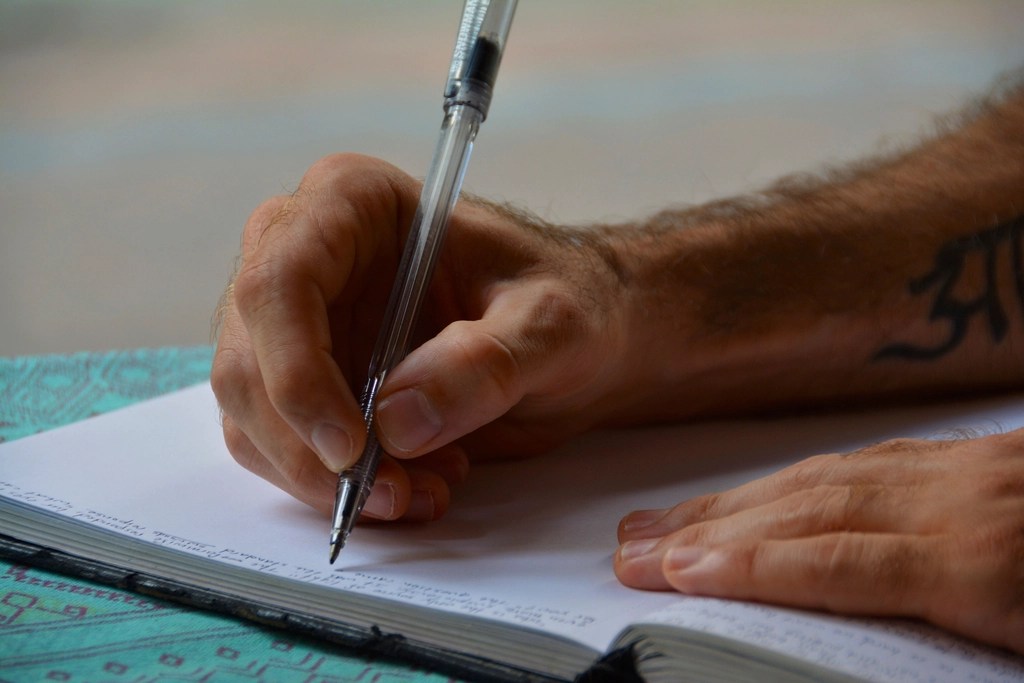
John Keats’ poem “This living hand,” itself conjures vivid images of a disembodied hand “warm and capable” skittering across the floor. These gothic permeate the language. The true tale in the poem speaks of mortal impermanence. The nameless narrator’s thoughts–no doubt Keats’ own—remark on being alive and how death is as pervasive as the thoughts of it that cross his mind. The unnamed narrator has blood running in his hands, signifying life, but the dark shadow of the reaper always looms.



Leave a comment